Most software engineers leave money on the table — not because they're underqualified, but because salary negotiation feels awkward and they accept the first number. The truth: the offer stage is the moment with the most leverage you'll ever have, and recruiters expect a negotiation. This guide covers how to handle compensation conversations, when to give a number, and the exact scripts to negotiate a higher software engineer salary — base, bonus, equity, and sign-on.
Before the offer: never name a number first
The single most common mistake is answering "what are your salary expectations?" with a specific figure early in the process. Deflect politely until you have an offer:
"I'd rather understand the full scope of the role first. I'm confident we can find a number that works if it's a strong mutual fit. What's the budgeted range for this position?"
This flips the question back and often gets them to reveal the range. If you're pushed hard, give a researched range anchored at the top of market — never a single number.
Do your homework on market rate
- Check levels.fyi, Glassdoor, and Blind for the company, level, and location.
- Understand the full package: base salary, annual bonus, equity / RSUs (and vesting schedule), and sign-on bonus.
- Know your walk-away number and your target number before any call.
When the offer comes: the counter
Never accept on the call. Thank them, express genuine enthusiasm, and ask for the offer in writing. Then counter — almost always. A clean counter sounds like this:
"I'm really excited about this role and the team. Based on my experience with [specific skill] and the market for this level, I was hoping we could get the base closer to ₹X / $X. Is there flexibility there?"
Key moves that work:
- Anchor high but credible. Ask for 10–20% above the offer; you'll typically meet in the middle.
- Negotiate the whole package. If base is capped, push on sign-on bonus, equity, or a sooner review. These are often more flexible than base.
- Use competing offers honestly. A real competing offer is the strongest lever. Never bluff one — it can be called.
- Stay warm. Negotiation is collaborative, not adversarial. The hiring manager wants you to say yes.
Handling the pressure tactics
Recruiters may use "this is our best and final" or an exploding deadline. Stay calm: ask for a few days to consider ("This is an important decision and I want to give it the attention it deserves — can I get back to you by Friday?"). A genuine offer rarely evaporates because you asked for 48 hours.
Rehearse the conversation
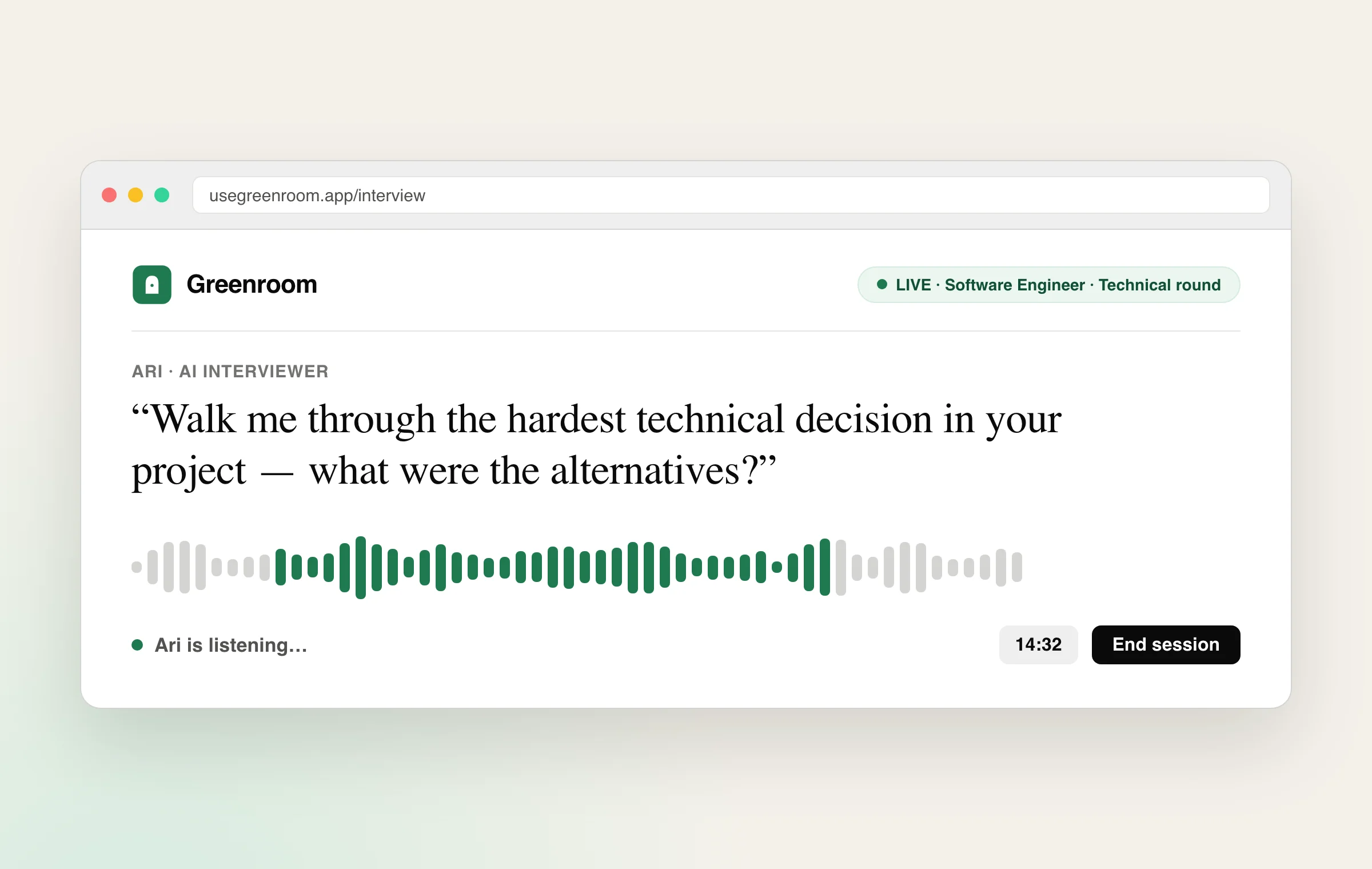
You wouldn't walk into a system design round cold — don't walk into a compensation call cold either. Saying your counter out loud, hearing a pushback, and responding without flinching is a practiceable skill. The same confident speaking habits that win interviews win negotiations: pause before answering, keep your tone warm, and don't fill silence by talking yourself down. Practise the spoken side of high-stakes conversations with Greenroom so the recruiter call isn't the first time you've said the number out loud.
Two adjacent questions worth preparing: CTC vs in-hand salary in India and do you have any other offers.
Frequently asked questions
Should software engineers negotiate their salary?
Almost always, yes. Recruiters typically build negotiation room into the first offer and expect a counter, so accepting immediately usually leaves money on the table. A polite, well-researched counter rarely risks the offer and frequently raises base, bonus, equity, or sign-on by a meaningful amount.
How much should I counter a job offer?
A common approach is to counter 10 to 20 percent above the initial offer, anchored to real market data for your level and location from sources like levels.fyi. Anchoring high but credible usually lands you somewhere in the middle, which is higher than the original number.
What if the recruiter asks my salary expectations early?
Deflect until you have an offer. Say you'd like to understand the role first and ask for their budgeted range. If pushed, give a researched range anchored near the top of market rather than a single number, so you don't accidentally cap your own offer.
Can I lose an offer by negotiating?
It's very rare to lose an offer from a polite, reasonable negotiation — companies expect it. You can create friction by being aggressive, bluffing a competing offer, or making ultimatums. Keep the tone warm and collaborative, anchor to data, and the hiring manager will almost always work with you.
Juggling competing timelines? Our multiple job offers guide covers aligning deadlines and using leverage honestly, and the notice period negotiation guide covers the joining-date problem that follows an accepted offer in India.